Table of Contents
ToggleWhen shipping goods locally or internationally, accurate cargo information is an important part of the process. Weight is particularly significant because it can affect freight charges, documentation, loading plans, customs procedures, and transportation safety. If the actual cargo weight differs considerably from the declared weight, the shipment may require additional checks or corrections before it can continue.
For businesses and individuals using a cargo service Dubai, understanding the consequences of incorrect weight declarations can help prevent unnecessary delays, additional charges, and documentation issues. Whether you are shipping household belongings, commercial goods, machinery, or packaged products, providing accurate information from the beginning makes the transportation process easier to manage.
Why is Cargo Weight Important?
Cargo weight is not simply a number used to calculate shipping costs. It can influence several parts of the transportation process. Freight carriers use weight information when calculating charges and determining how much cargo can be loaded onto a vehicle, aircraft, or vessel. Weight can also affect the distribution of goods inside a container or transport unit. In international shipping, accurate weight information may be required for safety and regulatory purposes.
For example, if a shipment is declared as weighing 500 kg but the actual weight is significantly higher, the carrier may need to revise the freight calculation. If the difference is discovered after documentation has been prepared, additional administrative steps may also be necessary.
How is Cargo Weight Checked?
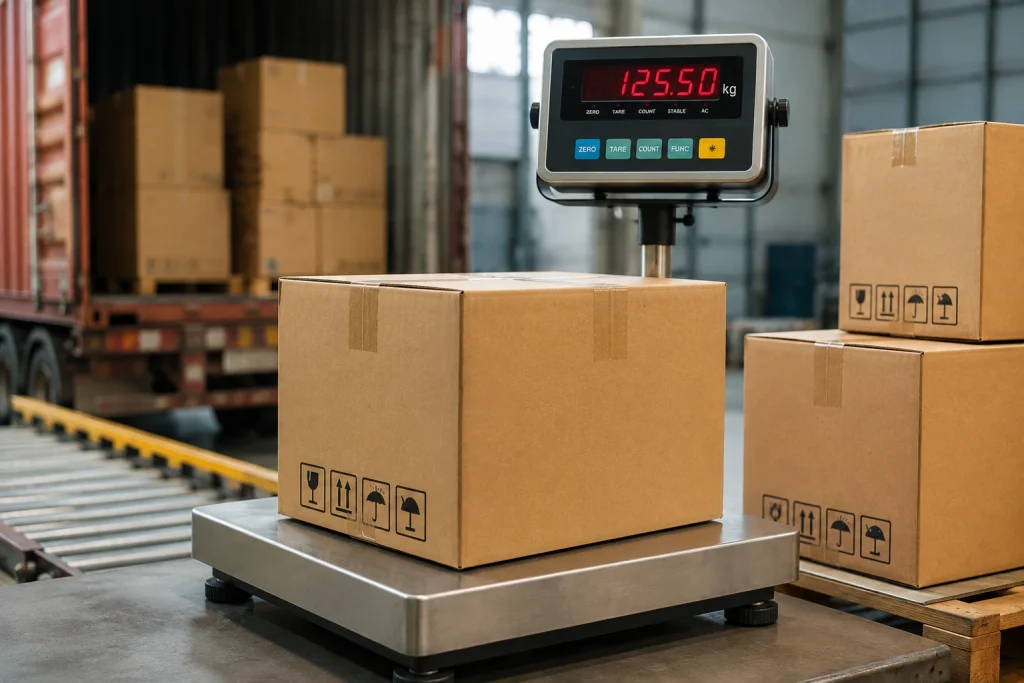
Cargo may be weighed at different stages of the shipping process. Depending on the transportation method and shipment type, the weight can be established using weighing scales at warehouses, freight terminals, ports, airports, or other logistics facilities. The declared weight may initially come from the shipper’s packing list, commercial invoice, booking information, or other shipping documents. The carrier or logistics facility may then verify the weight before transportation. For containerized shipments, the total verified weight can include the cargo and packaging and, where applicable, the container’s tare weight. This makes it important for shippers to understand exactly what weight information is being requested.
What Happens If the Actual Weight is Higher?
One of the most common situations is when the actual cargo weighs more than the amount originally declared. The first consequence may be a freight charge adjustment. If transportation costs are calculated according to weight, the carrier may recalculate the shipment cost using the verified weight. The shipment could also be held temporarily while the documentation is corrected. Depending on where the discrepancy is discovered, the shipper, freight forwarder, carrier, or customs representative may need to update the relevant records. In some cases, additional handling or inspection may be required. If the difference is substantial, the shipment may need to be reassessed before it can be loaded.
What If the Declared Weight is Higher?
A shipper may occasionally declare a weight that is greater than the actual cargo weight. While this may not create the same safety concerns as an underestimated weight, it can still cause practical and financial problems. The shipper could end up paying more freight charges than necessary if billing is based on the declared figure. Incorrect information can also affect documentation and shipment planning. If the cargo is weighed during processing and the difference is identified, the carrier may adjust the charges according to its procedures. Keeping accurate records from the beginning can help avoid these discrepancies.
How Can Weight Discrepancies Affect Shipping Costs?
Weight differences can directly influence transportation charges. Depending on the mode of transport and pricing method, freight may be calculated according to actual weight, volumetric weight, chargeable weight, or another agreed basis.
Air freight, for example, commonly considers both the physical weight and the space occupied by a shipment. A lightweight but bulky package may therefore have a higher chargeable weight than its actual weight. For sea freight and other transportation methods, different pricing structures may apply. Shippers should ask their logistics provider how charges will be calculated before confirming the booking.
Common Reasons for Weight Differences
Weight discrepancies can happen for several ordinary reasons, including:
- Incorrect weighing of individual packages
- Failure to include packaging materials
- Incorrect unit conversions
- Typographical errors on shipping documents
- Changes to the shipment after the initial booking
- Different scales producing slightly different measurements
- Incorrect calculation of total package weight
- Confusion between net weight and gross weight
- Last-minute additions or removals from the shipment
Using a consistent weighing process and checking documentation before dispatch can significantly reduce these problems.
How to Avoid Cargo Weight Discrepancies?
The simplest way to prevent problems is to establish a reliable process before the cargo leaves the warehouse.
- First, weigh the shipment using properly maintained equipment. Record the weight of individual packages where practical and calculate the total carefully. Make sure everyone understands whether the required figure refers to net weight, gross weight, or another measurement.
- Next, compare the physical shipment with the packing list and booking information. Check the number of packages, dimensions, weights, and descriptions before submitting the documents.
- It is also useful to communicate with the logistics provider if the shipment changes after booking. Adding or removing packages can alter the total weight and may require the shipping documents to be updated.
What Should You Do If You Discover an Error?
If you notice that the declared weight is incorrect before the shipment is collected, inform the logistics provider immediately. Early notification usually makes it easier to correct the booking and recalculate charges before the shipment enters the transportation process.
If the discrepancy is discovered after the cargo has reached a terminal or warehouse, contact the freight forwarder or carrier and provide the correct information. Avoid trying to conceal the difference, as doing so can create greater complications if the cargo is subsequently weighed or inspected.
When working with a cargo service Dubai, ask how weight discrepancies are handled and whether revised documentation or additional charges may apply. Understanding the provider’s process in advance can make it easier to respond if a difference is discovered.
Practical Pre-Shipment Checklist
Before sending your cargo, quickly check the following:
- Weigh the cargo: Check the weight of all packages.
- Check gross weight: Include packaging and pallets if required.
- Verify net weight: Make sure the product weight is correct.
- Check total weight: Add all package weights carefully.
- Use the correct unit: Confirm whether the weight is in kg, tonnes, or another unit.
- Check documents: Make sure the invoice and packing list show the correct weight.
- Count packages: Ensure the package count matches the documents.
- Check dimensions: Measure packages if volumetric weight applies.
- Update changes: Recheck the weight if items are added or removed.
- Report errors: Tell your logistics provider immediately if you find a difference.
A simple weight check before shipping can help avoid extra charges, document corrections, and unnecessary delays.
A difference between declared and actual cargo weight can affect freight charges, documentation, loading arrangements, and shipment timelines. The exact consequences depend on the size of the discrepancy, transportation method, destination, and applicable requirements.
Accurate weighing, careful documentation, and early communication with the logistics provider are the best ways to minimize problems. Before handing over your shipment, verify the gross and net weights, check the packing list, and make sure the information supplied to the carrier matches the physical cargo.
For businesses that regularly arrange international shipments, treating weight verification as part of the standard shipping checklist can help reduce avoidable corrections and delays. Choosing a reliable cargo service Dubai provider and maintaining accurate shipment records can further support a smoother cargo movement process.