Table of Contents
ToggleThe construction industry in the Gulf region is in its booming phase. This development phase occurs due to large-scale infrastructure projects, commercial developments, and residential expansions. Regarded as two of the region’s strongest economies, Dubai and Saudi Arabia maintain a healthy trade relationship, particularly when it comes to the construction sector. Having a clear understanding regarding the cargo operations function between these two locations is essential for contractors, suppliers, and logistics providers. This in turn ensures smooth and cost-effective transportation of construction materials. In this blog post, we tend to explore how construction material cargo works between Dubai and Saudi Arabia by clearly highlighting the processes, transportation methods, documentation, and key considerations involved.
Overview of Construction Material Trade
Due to its advanced ports, free zones, and global connectivity, Dubai serves as a major logistics hub in the Middle East. It acts as a sourcing and re-export center for a wide range of construction materials such as:
- Cement and concrete products
- Steel and aluminum
- Tiles, marble, and granite
- Glass and gypsum boards
- Electrical and plumbing materials
Saudi Arabia, on the other hand, has a massive demand for these materials due to its ambitious projects like NEOM, Red Sea Project, and Vision 2030 initiatives. This demand drives frequent cargo movement from Dubai to various cities in Saudi Arabia.
Key Modes of Transportation
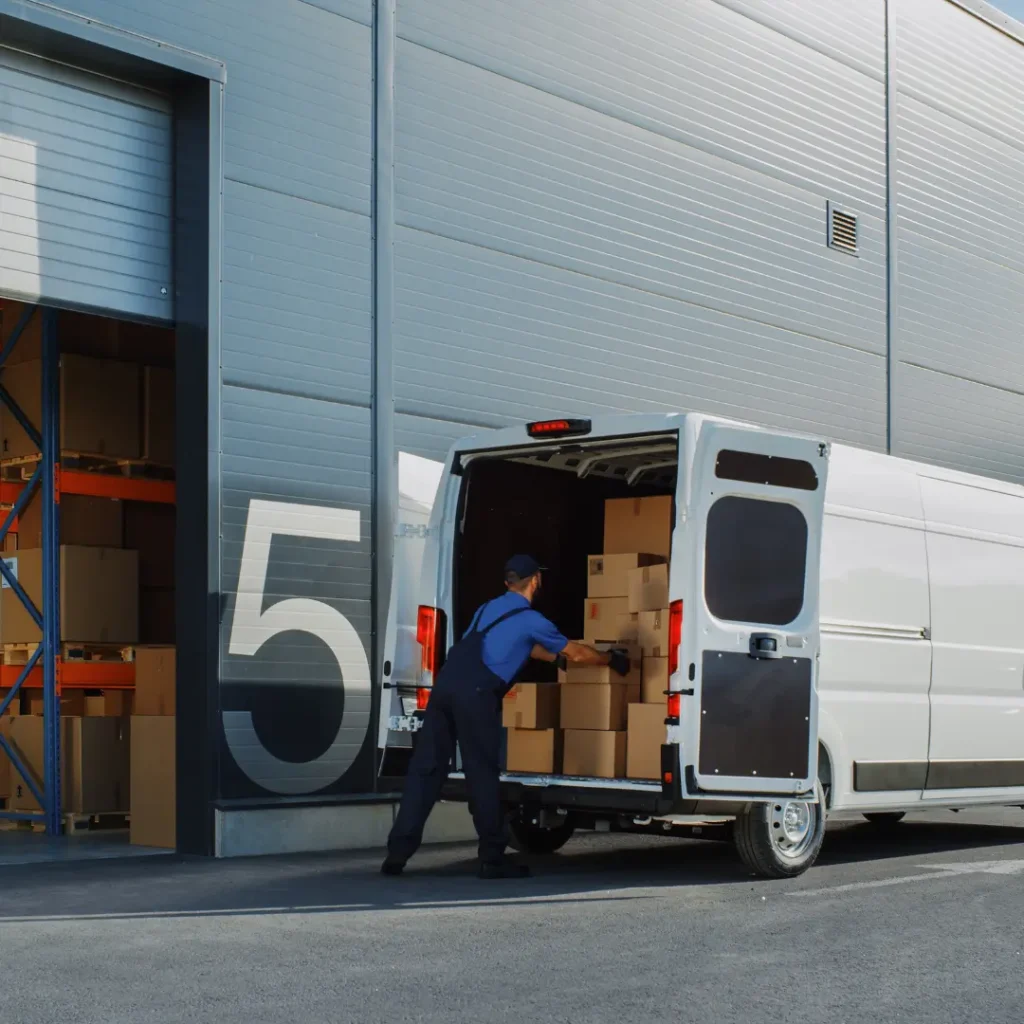
- Road Freight: Road transport is the most primary and commonly used method for moving construction materials between Dubai and Saudi Arabia. Trucks carry bulk quantities efficiently across well-connected highways. Some of the key benefits of road freight include flexibility, door-to-door delivery, and cost-effectiveness. This mode of transportation works in the following manner:
- Materials are loaded into heavy-duty trailers or flatbed trucks.
- Shipments pass through key border crossings such as Al Ghuwaifat (UAE) and Al Batha (Saudi Arabia).
- Transit time typically ranges from 1 to 3 days depending on the destination.
- Sea Freight: Ideal for oversized or bulky cargo or shipments that are not time-sensitive. The shipment process starts with the cargo being shipped from ports like Jebel Ali in Dubai. It arrives at Saudi ports such as Dammam or Jeddah. Materials are then transported inland via trucks.
- Rail Freight: Regarded an emerging option, rail networks in Saudi Arabia are gradually enhancing cargo movement efficiency. Future integration between UAE and Saudi rail systems may significantly streamline logistics.
Cargo Handling and Packaging
As construction materials vary in size, weight, and fragility, therefore proper handling is critical.
- Bulk materials (cement, sand): These are transported in sealed containers or tankers to prevent spillage, contamination, and moisture exposure during transit.
- Heavy materials (steel, machinery): Loaded using cranes or forklifts and tightly secured with straps or chains to prevent shifting or damage while in motion.
- Fragile items (glass, tiles): Packed in strong wooden crates with cushioning materials like foam or padding to protect against breakage and vibrations.
Documentation and Customs Clearance
One of the most important aspects of Dubai to Saudi cargo movement is proper documentation. Missing or incorrect paperwork can lead to delays or penalties. Essential documents include:
- Commercial Invoice: Provides details of the goods, including value, quantity, and seller/buyer information, used to assess duties and taxes.
- Packing List: Outlines how the cargo is packed, including weight, dimensions, and contents, helping authorities verify shipments during inspection.
- Certificate of Origin: Confirms the country where the goods were manufactured, which is important for trade regulations and tariff calculations.
- Bill of Lading / Waybill: Acts as a transport contract and proof of shipment, issued by the carrier for sea (Bill of Lading) or road/air (Waybill).
- Customs Declaration: A formal submission to customs authorities detailing the cargo being imported or exported for clearance approval.
- Cargo Inspection: Authorities may physically check the shipment to ensure it matches the declared documents and complies with regulations.
- Duties and Taxes Calculation: Applicable fees are assessed based on the cargo value, type, and origin before entry is permitted.
- Customs Clearance Approval: Once all documents are verified and payments are completed, the shipment is officially cleared to enter Saudi Arabia.
Working with experienced freight forwarders helps ensure all documentation is accurate and compliant.
Regulations and Compliance
Saudi Arabia has strict import regulations to ensure quality and safety. Construction materials must meet Saudi Standards, Metrology and Quality Organization (SASO) requirements. Key compliance factors:
- Product Certification (SABER system): All construction materials must be registered and certified through the SABER platform to ensure they meet Saudi quality and safety standards before import.
- Labeling Requirements: Products must have clear and accurate labels (often in Arabic), including specifications, origin, and usage details to comply with Saudi regulations.
- Quality Checks and Inspections: Authorities may inspect materials upon arrival to verify they meet approved standards and match the submitted certification documents.
Failure to meet these standards can result in shipment rejection or delays.
Cost Factors in Cargo Transportation
The cost of transporting construction materials depends on several variables:
- Type of material (weight, volume, fragility): Heavier, bulkier, or delicate materials require special handling, equipment, or packaging, which increases transportation costs.
- Distance and destination within Saudi Arabia: Longer distances and remote delivery locations lead to higher fuel usage, transit time, and overall logistics expenses.
- Mode of transport (road vs sea): Road freight is faster but may cost more for long distances, while sea freight is economical for large volumes but takes more time.
- Fuel prices and toll charges: Fluctuating fuel costs and highway toll fees directly impact the total shipping cost, especially for road transport.
- Customs duties and taxes: Import duties, VAT, and other regulatory charges are added based on the cargo value and type, affecting the final cost.
Role of Freight Forwarders
Freight forwarders play a crucial role in managing cargo operations. They act as intermediaries between suppliers and transport providers, handling:
- Route Planning: Freight forwarders determine the most efficient and cost-effective routes to ensure timely delivery of cargo.
- Documentation: They handle all required paperwork, ensuring accuracy and compliance with both UAE and Saudi regulations.
- Customs Clearance: Forwarders coordinate with customs authorities to streamline inspections, duties, and approvals for smooth cargo movement.
- Cargo Tracking: Real-time tracking updates are offered thereby allowing businesses to monitor shipment status throughout transit.
- Risk Management: Freight forwarders anticipate potential delays or issues and implement solutions to minimize disruptions and protect the cargo.
Choosing a reliable logistics partner ensures smooth coordination and timely delivery of materials.
Challenges in Construction Material Cargo
Despite the efficiency of logistics networks, certain challenges may arise:
- Border Delays: Heavy traffic, documentation checks, and inspections at border points can slow down shipments and affect delivery schedules.
- Regulatory Changes: Frequent updates in import/export rules and compliance standards require constant monitoring to avoid penalties or shipment rejection.
- Damage Risks: Improper packaging or handling during loading and transit can lead to breakage, especially for fragile or high-value materials.
- Supply Chain Disruptions: Factors like material shortages, transport delays, or global trade issues can interrupt the smooth flow of cargo and impact project timelines.
Best Practices for Smooth Cargo Movement
To ensure efficient transportation of construction materials, businesses should follow these best practices:
- Plan shipments in advance: Scheduling cargo early helps avoid last-minute delays, ensures vehicle availability, and allows time for proper documentation.
- Work with experienced logistics providers: Reliable partners can handle complex procedures, reduce risks, and ensure timely and efficient delivery.
- Ensure proper packaging and labeling: Correct packing protects materials from damage, while accurate labeling helps with easy identification and compliance.
- Stay updated on regulations and compliance requirements: Keeping track of changing rules helps prevent fines, delays, or shipment rejections at the border.
- Use tracking systems: Real-time tracking provides visibility over shipments, helping businesses monitor progress and respond quickly to any issues.
Future of Cargo Movement between Dubai and Saudi Arabia
With ongoing infrastructure development and regional cooperation, the future of cargo transportation looks promising. Key developments include:
- Expansion of road networks: Ongoing infrastructure investments and new trade corridors are improving connectivity and reducing transit times between the UAE and Saudi Arabia.
- Integration of rail systems: Rail projects like Etihad Rail and planned GCC railway networks will enable faster, more reliable, and cost-efficient transport of bulk construction materials across borders.
- Digitalization of customs processes: Advanced digital platforms and single-window systems are streamlining documentation, reducing clearance times, and improving cross-border efficiency.
- Increased use of smart logistics technologies: Technologies like AI-driven routing, IoT tracking, and automated systems are enhancing cargo visibility, accuracy, and overall supply chain performance.
- Growth of multimodal transport systems: Combining road, sea, air, and rail transport is creating more flexible and resilient logistics solutions for faster and cost-effective cargo movement.
- Focus on sustainability and green logistics: The region is adopting eco-friendly initiatives, including rail freight and carbon-neutral logistics programs, to reduce environmental impact
These advancements will further enhance efficiency, reduce transit times, and improve overall trade between the two regions.
The movement of construction materials between Dubai and Saudi Arabia is a well-established and highly efficient process supported by strong infrastructure and logistics networks. From road and sea transport to customs clearance and regulatory compliance, every step plays a vital role in ensuring smooth cargo operations.
By understanding how the system works and partnering with the right logistics providers, businesses can optimize their supply chain and meet the growing demands of the construction industry. Whether handling bulk shipments or specialized materials, leveraging reliable Dubai to Saudi cargo services is key to maintaining consistency, efficiency, and success in this competitive sector.