Table of Contents
ToggleFor years, businesses in the Middle East have relied on a combination of sea, air and road transportation to move goods across borders and supply chains. In 2026, however, road transportation is gaining renewed attention as companies look for faster, more flexible and cost-effective ways to move cargo within the region.
The growth of regional trade, expanding logistics infrastructure, e-commerce, cross-border commerce and increasing demand for shorter delivery cycles are all contributing to this shift. For businesses operating across the GCC, road transport can offer a practical balance between speed, cost and accessibility. But why is road freight becoming more important, and what should businesses consider before choosing it for their shipments?
The Changing Role of Road Freight in the Middle East
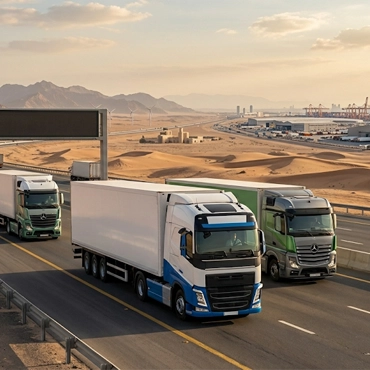
The Middle East has a unique geographic advantage for overland transportation. Major commercial centres across the GCC are connected by road networks, allowing cargo to move between markets without relying entirely on ports or airports. Businesses transporting goods between the UAE, Saudi Arabia, Oman, Bahrain, Kuwait and Qatar can benefit from direct overland routes. For shipments that do not require air freight speeds or the economies of large-scale sea shipments, road transport can be an efficient middle-ground option. The increasing development of logistics zones, highways, border facilities and distribution centres is also supporting the region’s growing road transportation network.
Why Businesses Are Returning to Road Transportation?
Several factors are driving the renewed interest in road freight:
- Faster Regional Deliveries: When goods need to travel between neighbouring GCC markets, road transportation can provide relatively short transit times. Unlike sea freight, which may require port handling and vessel schedules, road shipments can often move directly from a warehouse to the destination. This can be particularly useful for businesses dealing with urgent replenishment, retail inventory or time-sensitive commercial shipments.
- Greater Door-to-Door Flexibility: One of the biggest advantages of road transport is accessibility. Trucks can collect cargo directly from a supplier’s facility and deliver it to a warehouse, retail outlet, construction site or customer location. This reduces the number of transfers involved in many shipments and can make supply chains easier to manage. For businesses with multiple delivery locations, this flexibility can be especially valuable.
- Competitive Transportation Costs: Air freight remains one of the fastest options for international cargo, but it can be expensive, particularly for heavy or bulky shipments. Sea freight can offer lower costs for large volumes but may not always suit urgent deliveries. Road transportation can occupy a useful middle position. Businesses can move substantial quantities across regional markets while avoiding some of the costs associated with air cargo. The final cost still depends on factors such as distance, cargo weight, dimensions, fuel prices, border procedures and additional services.
- Growth of Cross-Border GCC Trade: Regional businesses increasingly operate across multiple Middle Eastern markets. A company based in Dubai may source products from one country, maintain inventory in another and serve customers throughout the GCC. This creates a need for dependable cross-border transportation. Modern road freight forwarding UAE solutions can help businesses coordinate collection, documentation, customs processes and delivery as part of a single logistics plan. For companies regularly moving goods between GCC countries, having an experienced logistics partner can simplify the process and reduce administrative challenges.
- E-Commerce is Increasing Delivery Expectations: The rapid growth of e-commerce has changed customer expectations. Buyers increasingly want products to arrive quickly and reliably, while businesses need to maintain sufficient inventory close to their customers. Road transportation can support regional distribution by connecting warehouses, fulfilment centres and last-mile delivery networks. For example, a retailer can move inventory from a central distribution facility to another GCC market by truck before distributing individual orders locally. This makes road transport an important part of the wider e-commerce supply chain.
- Improved Logistics Infrastructure: Infrastructure development is another reason for the growing importance of road transportation. The GCC has invested heavily in highways, logistics hubs, industrial areas, ports and warehousing facilities. Better connectivity between these locations allows cargo to move more efficiently. The development of major economic and industrial zones also creates new demand for reliable transportation between suppliers, manufacturers, warehouses and customers. As logistics infrastructure continues to improve, road transportation can become even more integrated with other freight modes.
Road Freight vs Sea and Air Freight
- Road transportation should not necessarily be viewed as a replacement for sea or air freight. Instead, it works best as part of a multimodal logistics strategy.
- Air freight is generally suited to urgent, high-value or lightweight shipments where speed is the primary concern.
- Sea freight is often appropriate for large volumes, heavy cargo and international shipments where lower transportation costs are more important than speed.
- Road freight is particularly useful for regional transportation, cross-border GCC shipments, warehouse replenishment and door-to-door delivery.
Businesses can combine these modes depending on their supply chain requirements. For example, cargo can arrive at a UAE port by sea and then continue by truck to a final destination in another GCC country.
What Businesses Should Consider Before Choosing Road Freight?
Although road transport offers many advantages, businesses should evaluate several factors before selecting a service.
- Border and Customs Requirements: Cross-border shipments require appropriate documentation and compliance with customs procedures. Incorrect paperwork can cause delays at border crossings. Businesses should work with logistics providers that understand the documentation and customs requirements applicable to their destination countries.
- Cargo Type: Not every type of cargo has the same transportation requirements. Temperature-sensitive goods, oversized equipment, fragile products and hazardous materials may require specialised vehicles or handling procedures. The nature of the cargo should therefore be communicated clearly before booking transportation.
- Transit Time: Businesses should establish realistic delivery expectations. Transit times can be affected by border processing, traffic, weather, vehicle availability and operational conditions. A reliable logistics provider should be able to explain the expected transit window and potential factors that could affect it.
- Tracking and Visibility: Shipment visibility has become increasingly important. Businesses want to know where their cargo is and whether it is progressing according to schedule. Modern tracking systems can provide updates during transportation, helping companies coordinate warehouse operations and customer deliveries more effectively.
How to Make Road Transportation More Efficient
Businesses can improve the efficiency of their supply chains by consolidating shipments whenever practical, planning routes in advance and maintaining accurate cargo documentation. It is also useful to select packaging that protects goods without creating unnecessary weight or volume. For regular shipments, businesses can analyse transportation data to identify recurring delays, inefficient routes and opportunities for cost reduction. Working with a provider experienced in land freight services UAE can also help businesses coordinate regional transportation requirements and select suitable solutions based on cargo type, destination and delivery expectations.
The Future of Regional Road Transportation
The renewed interest in road transportation is likely to continue as Middle Eastern economies become increasingly connected. Businesses are looking for supply chains that are not only affordable but also responsive to changing customer demand. Road transportation can provide the regional flexibility required to move goods between commercial centres while connecting with ports, airports, warehouses and distribution networks. Technology is also expected to play a growing role. Digital documentation, GPS tracking, route optimisation and automated logistics management can improve visibility and operational efficiency. For businesses moving products across the GCC, freight transport by road can therefore be an important component of a broader and more flexible supply chain strategy.
Road freight is making a comeback in the Middle East because businesses increasingly need transportation that combines flexibility, regional connectivity, reasonable costs and dependable delivery times. Improvements in infrastructure, cross-border trade and e-commerce are further strengthening its role.
Rather than replacing sea or air freight, road transportation complements them. By selecting the right routes, preparing accurate documentation, understanding cargo requirements and partnering with an experienced logistics provider, businesses can use road transport to build a more responsive and efficient supply chain in 2026.